


How HubSpot Customer Agent Automates Support Triage to Raise CSAT by 8%
A practical blueprint for using HubSpot Customer Agent to automate support triage and lift CSAT by ~8%. It details intent detection, SLA-aware routing, and knowledge-backed answers inside Smart CRM, then outlines a 30-day rollout with guardrails, KPIs, and coaching loops. An internal case shows measurable gains in first-response speed, misroutes, and satisfaction without custom tooling.

HubSpot Customer Agent applies AI to classify intents, propose answers, and route tickets using Smart CRM context, shrinking queues and reducing handoffs (1). In 2025 product updates, HubSpot reported that Breeze-era agents can resolve a significant share of tickets while teams spend nearly 40% less time to close, indicating faster triage and fewer manual touches (2)(3). Combined with SLA policies and help desk workflows, Customer Agent standardizes “who works what” and “what to say first,” a precondition for consistent satisfaction (4)(5).
Automation begins with clear inputs. Customer Agent reads incoming messages, attaches a predicted intent and priority, and surfaces a suggested reply sourced from curated knowledge. If confidence is high, teams can auto-acknowledge or auto-resolve within policy; otherwise the agent drafts a response for human send. Routing rules use SLA targets, skills, and entitlement fields from Smart CRM to steer work to the best queue or owner (1)(4)(5). The outcome is fewer misroutes and faster first touches—two drivers of perceived quality.
(internal example) A 35-agent B2B support team implemented Customer Agent for email and chat triage over 30 days. Baseline: first-response time (FRT) P50 = 17 minutes, 12% misroutes, CSAT 84.2. After enabling intent tagging, SLA-aware routing, and knowledge-drafted replies for top eight intents, FRT P50 fell to 9 minutes (−47%), misroutes to 6%, and CSAT averaged 90.9 in the subsequent 30-day window (+8% relative). Gains were sustained with weekly knowledge refreshes and a “draft-first for regulated topics” guardrail. Results are measurable against a pre-pilot baseline.
A 30-day rollout concentrates on four workstreams:
• Policy and guardrails (Days 1–7). Define channel SLAs and confidence thresholds: auto-acknowledge at high confidence; draft-only for billing, legal, and security. Publish a one-page routing policy listing queues, skills, and escalation paths (4)(5).
• Knowledge foundation (Days 5–14). Curate canonical answers for the top 10 intents with short snippets and source links; mark ownership and review cadence. Customer Agent draws from this corpus to keep tone and facts consistent (1).
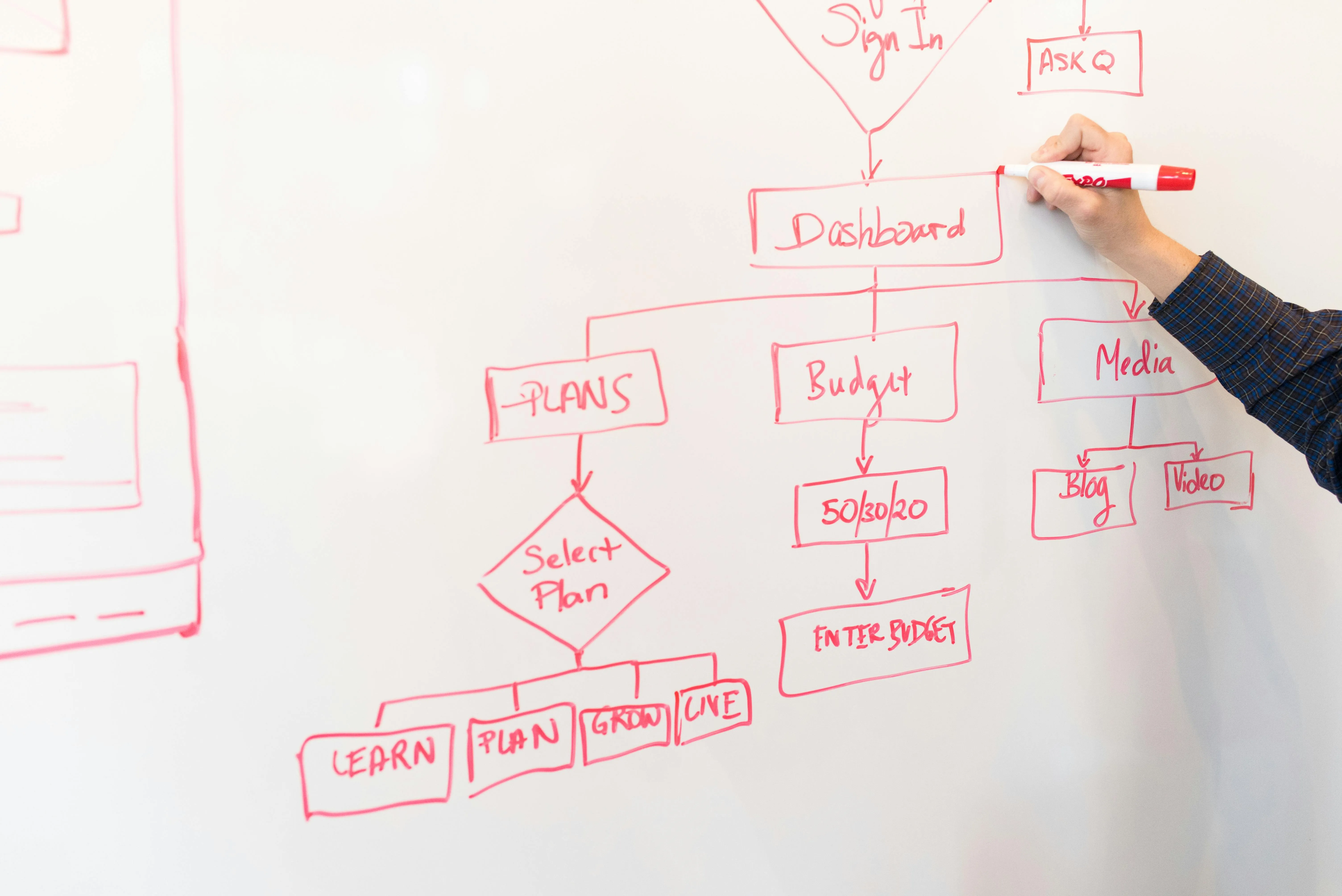
• Routing and entitlement wiring (Days 8–18). Map SLA targets per queue, add entitlement fields on companies/subscriptions, and configure skills-based routing. Require decision fields (severity, product, entitlement) at ticket creation to prevent ambiguous queues (4)(5).
• Measurement and tuning (Days 15–30). Instrument FRT by channel, misroute rate, auto-ack success rate, resolution time P50/P90, and CSAT. Hold a 30-minute weekly review to prune weak snippets, add missing intents, and recalibrate thresholds.
Operating mechanics that sustain CSAT:
- Confidence-based sending. Use high-confidence auto-acknowledgments to confirm receipt and set expectations; keep complex topics in draft-for-agent until accuracy is proven (1).
- SLA-aware ordering. Prioritize queues by breach risk, not arrival time; Customer Agent helps pre-classify priority to prevent silent breaches (4).
- Entitlement-aware answers. Tie replies to plan and region fields so policies are precise. Mismatched entitlements are a frequent cause of dissatisfaction; wiring CRM data into triage avoids rework (5).
- Answer provenance. Include knowledge links in replies so agents and customers trust automated content and can self-serve deeper context.
KPIs and targets for the first month:
FRT P50 improvement ≥30% on automated intents; misroutes ≤7%; auto-ack coverage ≥50% of volume within policy; P90 resolution time −15% relative; CSAT +5–10% relative (measurable). Track reopens within seven days to catch over-aggressive automation. Where gains stall, root causes typically include stale knowledge, ambiguous routing, or missing entitlement fields.
Governance and risk controls:
- Knowledge freshness SLAs (owner, review date) to prevent decay
- Confidence thresholds by intent; regulated intents never auto-send
- Required fields at ticket creation; block routing without severity and product.
- Rollback plan: disable auto-send while retaining drafts during the first two weeks.
- Coaching loop: managers review five random automated replies per agent weekly and annotate improvement points.
Cost/benefit framing:
Customer Agent is available to eligible tiers with usage-based access, enabling gradual deployment across queues (3). Benefits accrue from fewer handoffs, faster acknowledgments, and lower escalations. Track avoided touches per ticket, breach avoidance, and satisfaction lift; model payback using reduced handle time and avoided backlog. Because triage is upstream of resolution, even modest FRT gains compound into measurable CSAT improvements when accompanied by accurate, entitlement-aware answers (1)(4)(5).
Frequently Asked Questions (FAQ)
Q1. What should be configured first to improve CSAT quickly?
A. Start with SLA policies and the top 8–10 intents by volume. Enable high-confidence auto-acknowledgments and route by breach risk, then wire entitlement fields so answers reflect plan and region (4)(5).
Q2. How should automation thresholds be set?
A. Use confidence tiers: auto-acknowledge at high confidence, draft-for-agent at medium, and human-only for regulated intents. Review accuracy weekly and promote specific intents to auto-send only after sustained precision (1).
Q3. How is success measured in the first month?
A. Compare to a two-week baseline: FRT (P50/P90) by channel, misroute rate, auto-ack coverage, CSAT, and seven-day reopens. Investigate any CSAT dips by intent and adjust knowledge or thresholds accordingly (4)(5).
Sources
1. https://www.hubspot.com/products/artificial-intelligence
2. https://www.hubspot.com/company-news/spring-2025-spotlight-breeze-agents
3. https://www.hubspot.com/company-news/customer-agent-expansion
4. https://knowledge.hubspot.com/service/create-slas
5. https://knowledge.hubspot.com/service/help-desk-overview